
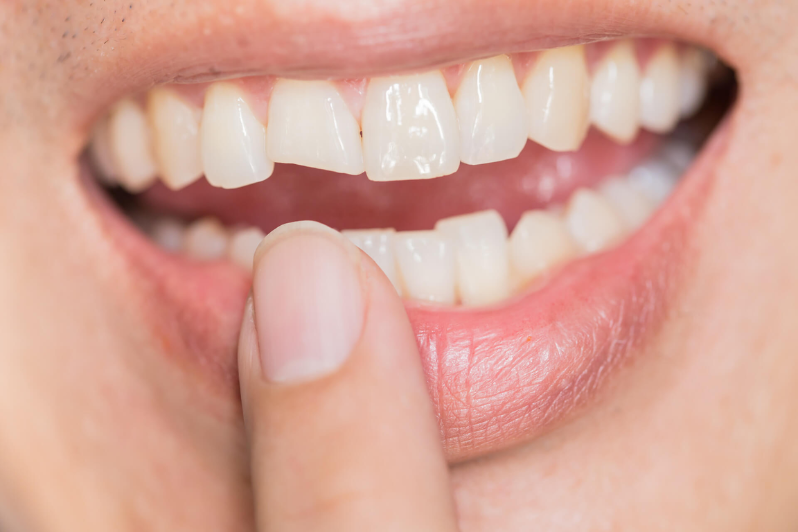
Chipped or Broken Tooth? Here’s What to Do First
A chipped or broken tooth can happen without warning. You might bite into a hard food, experience a sports injury, grind your teeth during sleep, or discover that an older filling has weakened. Some damaged teeth cause immediate pain, while others feel normal except for a rough or sharp edge. Best Dental Clinic in Flower Mound, TX
Even when the damage appears minor, it is important to have the tooth examined. A small chip may involve only the outer enamel, but a deeper fracture can expose sensitive tooth structure, damage the dental nerve, or allow bacteria to enter the tooth.
At Ace Smile Dentistry in Flower Mound, Texas, provides prompt evaluations for chipped, cracked, and broken teeth. The practice offers emergency dental appointments and focuses on relieving discomfort, protecting the damaged tooth, and determining whether it can be repaired.
First, Stay Calm and Look at the Damage
A chipped tooth does not always mean that the entire tooth is lost. Modern restorative dentistry offers several ways to repair damaged teeth, depending on the location and depth of the fracture.
Look carefully at the area without repeatedly touching it. Try to determine whether:
- A small piece of enamel has broken away
- A filling or crown has fallen out
- The tooth has split or moved
- There is bleeding from the tooth or gums
- The tooth is sensitive to air, heat, cold, or pressure
- The injury also affected your lips, tongue, face, or jaw
Do not keep testing the tooth by biting on it. Additional pressure could enlarge a crack or cause another piece to break.
Step 1: Rinse Your Mouth Gently
Rinse your mouth gently with warm water to remove food particles, blood, and debris. Avoid very hot or very cold water if the tooth is sensitive.
The American Dental Association recommends rinsing with warm water immediately after a cracked tooth injury. This helps clean the area without placing unnecessary pressure on the damaged tooth.
Do not scrub the broken area with a toothbrush immediately after significant trauma. You can continue cleaning the rest of your mouth carefully while avoiding aggressive pressure near the injury.
Step 2: Save Any Broken Pieces
Look for any pieces of the tooth that may have broken off. Pick them up carefully and store them in a clean container with milk or saliva. Take the fragments with you to your dental appointment.
In some cases, a dentist may be able to reattach a tooth fragment, although this depends on its condition and the type of fracture. The NHS specifically recommends storing a broken fragment in milk or saliva and bringing it to the dentist.
Do not clean the fragment with bleach, alcohol, soap, or household disinfectants. Avoid scrubbing it aggressively.
Step 3: Control Bleeding
If the gums, tongue, cheek, or lips are bleeding, apply gentle pressure with clean gauze or a clean cloth.
Hold steady pressure rather than repeatedly removing the gauze to check the area. A cold compress placed on the outside of the face may help reduce swelling and discomfort.
Seek urgent medical attention if bleeding is heavy, does not slow with pressure, or is associated with a serious facial injury.
Step 4: Apply a Cold Compress
Apply a cold compress to the outside of your cheek for short intervals when swelling or facial tenderness is present. Wrap ice or a cold pack in a thin cloth instead of placing it directly against the skin.
Cold pressure may help reduce swelling and temporarily ease discomfort. The ADA recommends placing a cold compress on the face following a cracked-tooth injury.
Do not place aspirin, crushed medication, alcohol, or another chemical directly onto the tooth or gums. Aspirin can irritate or burn oral tissues.
Step 5: Avoid Chewing on the Damaged Tooth
Until the tooth is examined, avoid chewing on the affected side. Choose soft foods and avoid anything hard, sticky, crunchy, or extremely hot or cold.
Foods to avoid may include:
- Ice
- Hard candy
- Popcorn kernels
- Nuts and hard seeds
- Sticky sweets
- Tough meat
- Crunchy bread crusts
A damaged tooth may have hidden structural weakness. Continuing to chew on it could turn a manageable chip into a deeper fracture.
Ace Smile Dentistry advises patients with broken teeth to save any fragments and avoid hard foods until professional care is available.
Step 6: Contact a Dentist
Call a dentist and describe what happened, when the injury occurred, and whether you have pain, swelling, bleeding, sensitivity, or a loose tooth.
A chipped, broken, or cracked tooth should be evaluated even when it does not hurt. Dental professionals can often repair these injuries, but the correct treatment depends on how deeply the tooth is damaged.
Contact Ace Smile Dentistry at (469) 912-1420 for an appointment with Dr. Prathyusha Mendu. The practice reserves time for urgent needs and provides same-day emergency care when scheduling permits.
When Is a Broken Tooth an Emergency?
A tiny, painless enamel chip may not require hospital care, but it still needs a dental appointment. More serious symptoms require faster attention.
Seek prompt or same-day dental care when you have:
- Severe or persistent tooth pain
- A large piece of tooth missing
- Sensitivity that does not quickly improve
- Pain when biting or releasing pressure
- A loose or displaced tooth
- Visible red, pink, or yellow tissue inside the tooth
- Facial or gum swelling
- A bad taste, pus, or signs of infection
- A sharp edge cutting your tongue or cheek
- A broken crown, filling, or veneer
- Bleeding that continues despite pressure
Go to an emergency department or call emergency services when the injury causes difficulty breathing or swallowing, uncontrolled bleeding, severe facial trauma, suspected jaw fracture, loss of consciousness, confusion, or rapidly increasing swelling.
Ace Smile Dentistry identifies broken, chipped, and cracked teeth, severe pain, swelling, infection, lost restorations, and bleeding that does not stop as conditions that may require urgent dental attention.
Different Types of Tooth Damage
Not all broken teeth are affected in the same way.
Minor Enamel Chip
A minor chip may affect only the outer enamel. It may feel rough or look uneven but cause little or no pain.
The dentist may smooth and polish the edge or restore the missing area with tooth-colored bonding material.
Larger Fracture
A larger break may extend through the enamel into the dentin, the more sensitive layer underneath. This can cause sensitivity to temperature, sweets, air, or chewing pressure.
Treatment may require dental bonding, a filling, an inlay, an onlay, or a crown.
Cracked Tooth
A cracked tooth may remain in one piece but contain a fracture extending from the chewing surface toward the root.
Symptoms can include inconsistent pain, discomfort when releasing a bite, or sensitivity that is difficult to locate. Cracks do not heal like broken bones and may worsen without treatment.
Split Tooth
A split tooth has separated into distinct sections. The dentist must evaluate whether any portion can be preserved. In some cases, the entire tooth may need to be removed.
Fracture Affecting the Dental Nerve
A severe break may expose or inflame the pulp, which contains the tooth’s nerves and blood vessels. Symptoms may include strong sensitivity, spontaneous pain, throbbing, or visible tissue inside the tooth.
Root canal treatment may be needed when the nerve is exposed or irreversibly damaged. A badly broken tooth may also require a crown afterward.
What Will Dr. Mendu Check?
During an emergency examination at Ace Smile Dentistry, Dr. Prathyusha Mendu may evaluate:
- The size and depth of the fracture
- Whether the tooth is loose
- Sensitivity to pressure or temperature
- The condition of existing fillings or crowns
- Damage to the gums or surrounding tissues
- How the upper and lower teeth meet
- Signs of infection
- Whether the dental nerve has been affected
- Whether the root or surrounding bone is damaged
Digital dental X-rays may be recommended to evaluate areas that cannot be seen during a visual examination. However, some cracks do not appear clearly on standard X-rays, so diagnosis may also involve clinical tests and a detailed review of your symptoms.
How Can a Chipped or Broken Tooth Be Repaired?
Treatment depends on the severity of the damage and how much healthy tooth structure remains.
Dental Bonding or Filling
For a small or moderate chip, tooth-colored composite material may be bonded to the damaged area. The material is shaped and polished to restore the tooth’s appearance and function.
Reattaching the Fragment
When the broken piece is available and suitable, the dentist may sometimes bond it back onto the tooth. Saving the fragment in milk or saliva may help protect it until your appointment.
Dental Crown
A crown covers and protects a tooth that has lost significant structure. It may be recommended when a large fracture leaves the tooth too weak for a filling alone.
Root Canal Treatment
Root canal treatment may be necessary when the break exposes or seriously damages the pulp. The infected or injured tissue is removed, the inside of the tooth is cleaned and sealed, and a crown may be placed to protect the remaining structure.
Tooth Extraction
Extraction may be recommended when the fracture extends too far below the gumline, reaches deep into the root, or leaves insufficient healthy tooth structure for predictable repair.
Ace Smile Dentistry’s emergency services include fillings, crowns, root canal treatment, and extraction when a damaged tooth cannot be preserved.
Managing Pain Before Your Appointment
Over-the-counter medication may provide temporary relief, but it does not repair the damaged tooth.
The ADA’s current acute dental-pain guidance recommends non-opioid medicines, such as certain nonsteroidal anti-inflammatory drugs alone or combined with acetaminophen, as first-line options for many adults and adolescents when medically appropriate.
However, these medicines are not suitable for everyone. Medical conditions, pregnancy, allergies, ulcers, kidney concerns, liver problems, blood-thinning medications, and other factors can affect what is safe.
Follow product directions and advice from your dentist, physician, or pharmacist. Do not take leftover prescription pain medication or antibiotics from a previous illness.
Do You Need Antibiotics?
A chipped or broken tooth does not automatically require antibiotics.
Antibiotics do not rebuild the tooth or permanently treat an injured nerve. The ADA recommends prioritizing definitive dental treatment for most localized dental pain and swelling rather than routinely relying on antibiotics. Antibiotics may be appropriate when infection has spread or causes systemic symptoms such as fever or illness.
Dr. Mendu will determine whether antibiotics are clinically necessary based on your symptoms and examination.
What Happens If You Wait?
Delaying treatment may allow a fracture to enlarge. Bacteria may enter the tooth, and a small repair could become a need for a crown, root canal, or extraction.
A sharp edge can also cut the tongue or cheek, while a weakened tooth may break further during ordinary chewing.
Prompt care can help protect the tooth, reduce infection risk, improve the chance of preserving the natural structure, and potentially limit the need for more complex treatment.
How to Reduce the Risk of Another Broken Tooth
Not every dental injury can be prevented, but you can reduce your risk by:
- Wearing a mouthguard during sports
- Avoiding chewing ice and popcorn kernels
- Not using your teeth to open packages
- Treating cavities and damaged fillings early
- Wearing a night guard when recommended for grinding
- Attending regular examinations and cleanings
- Avoiding biting directly into very hard foods with restored front teeth
The ADA recommends sports mouthguards, avoiding hard objects that can crack teeth, and using scissors rather than teeth to cut items.
Emergency Dental Care at Ace Smile Dentistry
Dr. Prathyusha Mendu is a general and cosmetic dentist serving Flower Mound and nearby communities. She earned her Doctorate of Dental Surgery from the University of Oklahoma and has clinical interests in restorative dentistry, root canal treatment, crowns, bridges, extractions, dentures, and implant crowns.
At Ace Smile Dentistry, each emergency is evaluated individually. The team focuses on relieving discomfort, addressing the cause of the problem, stabilizing the tooth, and explaining any necessary follow-up care.
Contact Ace Smile Dentistry in Flower Mound, Texas
A chipped or broken tooth may be repairable, but early treatment provides the best opportunity to prevent additional damage.
Schedule an evaluation with Dr. Prathyusha Mendu at Ace Smile Dentistry, your trusted dentist in Flower Mound, Texas.
Frequently Asked Questions
Is a small chipped tooth an emergency?
A small, painless chip may not require immediate hospital treatment, but it should still be evaluated by a dentist. The tooth may need smoothing, bonding, or another repair.
Can a broken tooth heal by itself?
No. Enamel and broken tooth structure do not grow back. A dentist must determine whether the tooth needs bonding, a filling, a crown, root canal treatment, or extraction.
Can the broken piece be reattached?
Sometimes. Place the fragment in milk or saliva and bring it to the dental appointment. Whether it can be reattached depends on the fracture and condition of the piece.
What should I do if the tooth is sharp?
Avoid touching it repeatedly and chew on the opposite side. Dental wax may temporarily cover a sharp edge when used carefully, but professional treatment is still necessary.
Can a cracked tooth become infected?
Yes. A deeper crack may allow bacteria to reach the inner tooth, potentially causing inflammation, infection, pain, or an abscess.
Does Ace Smile Dentistry accept emergency appointments?
Yes. Ace Smile Dentistry welcomes urgent dental needs and offers same-day emergency care when availability permits.