
How Often Should You Really Get a Dental Cleaning?
Regular dental cleanings are one of the simplest ways to protect your teeth, gums, and smile. Most people have heard that they should visit the dentist every six months, but is that schedule right for everyone?
The ideal frequency of professional dental cleanings depends on your oral health, medical history, age, daily habits, and risk of developing cavities or gum disease. Some patients may do well with two cleanings per year, while others may need appointments every three or four months. Deep Dental Cleaning Services in Flower Mound, TX
At Ace Smile Dentistry in Flower Mound, Texas, our dental team evaluates each patient individually and recommends a preventive-care schedule based on their specific needs.
Why Are Professional Dental Cleanings Important?
Even when you brush and floss consistently, plaque can remain in areas that are difficult to reach. When plaque is not removed, it can harden into calculus, commonly known as tartar. Unlike soft plaque, tartar cannot be removed effectively with a regular toothbrush. It requires professional dental instruments and treatment from a dentist or dental hygienist.
Tartar accumulation can irritate the gums and contribute to redness, swelling, bleeding, bad breath, and gum disease. Professional teeth cleaning helps remove plaque and tartar from around the teeth and gumline while giving your dental team an opportunity to identify potential oral-health problems.
Regular dental visits may help detect concerns such as:
- Tooth decay and cavities
- Gingivitis or gum inflammation
- Periodontal disease
- Cracked, chipped, or worn teeth
- Loose dental restorations
- Changes in the gums or surrounding tissues
- Problems with crowns, bridges, dentures, or dental implants
Finding dental concerns early may allow them to be managed before they become more uncomfortable, complicated, or expensive to treat.
Is a Dental Cleaning Every Six Months Necessary?
A cleaning every six months is a common recommendation for patients with generally healthy teeth and gums. However, there is no single cleaning interval that is appropriate for every patient.
The American Dental Association recommends regular dental visits but notes that the frequency should be tailored to the patient’s individual risk of cavities and gum disease.
Your dentist may consider several factors when deciding how often you need a dental cleaning, including:
- Your current gum health
- How quickly plaque and tartar build up
- Your history of cavities
- The condition of existing fillings and crowns
- Your brushing and flossing habits
- Tobacco use
- Dry mouth
- Diabetes and other medical conditions
- Orthodontic appliances or dental implants
- Your previous history of gum disease
Patients with low dental risk may be advised to continue with routine appointments approximately every six months. Patients with active oral-health concerns may need more frequent care.
Who May Need Dental Cleanings Every Three to Four Months?
Your dentist may recommend cleanings more frequently than twice a year when there is a higher risk of plaque buildup, cavities, or periodontal problems.
More frequent appointments may be appropriate for people who have:
Gum Disease
Patients with a history of periodontal disease may require periodontal-maintenance visits rather than standard preventive cleanings. These appointments are often scheduled more frequently to help control harmful buildup around and below the gumline.
Gingivitis may be managed with good home care and professional cleanings, while advanced periodontitis may require specialized treatment, including scaling and root planing or referral to a periodontist.
Frequent Tartar Buildup
Some patients naturally develop tartar more quickly than others. Crowded teeth, difficult-to-reach areas, inconsistent flossing, and certain saliva characteristics may make buildup harder to control at home.
Diabetes
Diabetes and oral health can affect one another. People living with diabetes may have an increased risk of gum problems, particularly when blood sugar is not well controlled. Regular professional cleanings and dental checkups may be included in a personalized preventive-care plan.
Dry Mouth
Saliva helps protect the mouth by washing away food particles and supporting the natural balance of the oral environment. Dry mouth may increase the risk of tooth decay, soreness, and oral infections. Patients experiencing persistent dry mouth should discuss their symptoms and dental-visit schedule with their dentist.
Braces, Bridges, or Dental Implants
Orthodontic appliances and dental restorations can create additional areas where plaque and food debris collect. Professional cleaning and personalized home-care guidance can help patients clean these areas more effectively.
Tobacco Use
Smoking is a significant risk factor for gum disease and may also make periodontal treatment less successful. Patients who smoke or use tobacco products may need closer monitoring and more frequent professional care.
What Happens During a Routine Dental Cleaning?
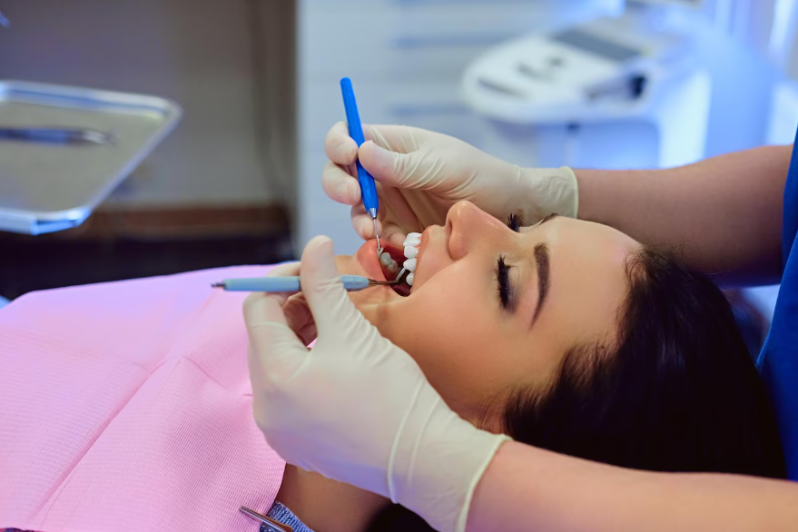
A routine dental cleaning generally begins with an assessment of your teeth and gums. Your dental hygienist may check for visible plaque, tartar buildup, bleeding, gum inflammation, or other changes.
Specialized instruments are then used to remove plaque and tartar from the tooth surfaces and around the gumline. After the buildup is removed, the teeth are polished to help remove certain surface stains and leave the mouth feeling clean and refreshed.
Depending on your oral-health needs, your appointment may also include:
- A comprehensive or periodic dental examination
- Gum-health measurements
- Dental X-rays when clinically appropriate
- Fluoride treatment
- Oral-hygiene instructions
- Recommendations for toothbrushes or interdental cleaners
- A personalized schedule for your next visit
A routine cleaning is different from a deep cleaning. Deep cleaning, also known as scaling and root planing, is generally recommended when gum disease has caused deeper spaces between the teeth and gums or buildup has developed below the gumline.
Signs You May Be Overdue for a Dental Cleaning
Do not wait for severe tooth pain before scheduling a dental visit. Contact a dentist when you notice:
- Gums that bleed during brushing or flossing
- Red, swollen, or tender gums
- Persistent bad breath
- Visible tartar around the teeth
- Tooth sensitivity
- Receding gums
- Pain while chewing
- Loose teeth
- A persistent unpleasant taste
- A cavity, crack, or damaged restoration
Bleeding gums and persistent bad breath may be signs of gingivitis or more advanced gum disease and should not be ignored.
How to Keep Your Teeth Clean Between Appointments
Professional dental cleaning is important, but your daily routine plays the biggest role in controlling plaque between visits.
For better oral health:
- Brush twice a day for two minutes using fluoride toothpaste.
- Clean between your teeth every day with floss or another dentist-recommended interdental cleaner.
- Brush gently along the gumline.
- Clean your tongue to help remove bacteria and debris.
- Replace your toothbrush when the bristles become worn.
- Limit frequent sugary snacks and drinks.
- Drink water throughout the day.
- Avoid smoking and tobacco products.
- Follow the cleaning schedule recommended by your dentist.
The ADA recommends brushing twice daily with fluoride toothpaste and using a personalized home-care plan based on individual dental needs.
Dental Cleaning in Flower Mound, Texas
The best dental-cleaning schedule is not based only on the calendar. It should reflect the condition of your teeth and gums, your health history, and your risk of future dental problems.
At Ace Smile Dentistry in Flower Mound, we provide gentle professional teeth cleanings, preventive dental examinations, gum-health assessments, and personalized oral-care recommendations for individuals and families.
Whether it has been six months or several years since your last cleaning, our team is ready to help you move forward without judgment. We will evaluate your oral health, explain our findings clearly, and recommend a treatment or maintenance plan that is appropriate for your smile.
Schedule your appointment with Ace Smile Dentistry and discover comfortable, personalized dental care from a trusted dentist in Flower Mound, Texas.
Frequently Asked Questions
How often should adults have their teeth cleaned?
Many adults receive professional dental cleanings approximately every six months. However, your dentist may recommend more or less frequent visits depending on your cavity risk, gum health, tartar buildup, and medical history.
Can I get a dental cleaning once a year?
Some low-risk patients may be advised to visit once a year, but this decision should be made after a dental evaluation. The CDC recommends having a dental checkup at least annually or more frequently when advised by a healthcare provider.
Do dental cleanings prevent gum disease?
Professional cleanings remove tartar that cannot be removed through brushing alone. Combined with daily brushing, interdental cleaning, and regular examinations, cleanings can help prevent or manage early gum disease.
Is a dental cleaning painful?
Routine cleanings are generally comfortable, although patients with sensitive teeth, inflamed gums, or heavy tartar buildup may experience temporary tenderness. Tell your dental team about any sensitivity or anxiety so they can make the appointment more comfortable.
How do I know when my next cleaning is due?
Your dentist will recommend your next visit after evaluating your teeth, gums, dental history, and risk factors. Rather than automatically following the same schedule as everyone else, follow the personalized interval advised by your dental team.