
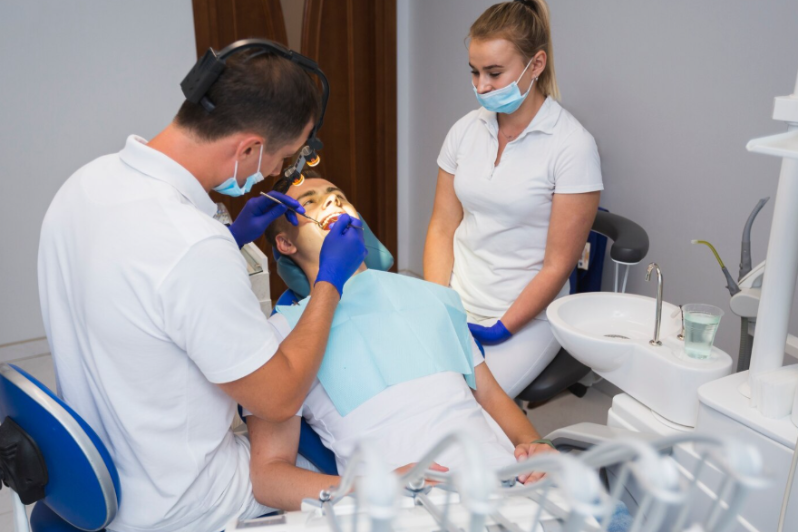
Same-Day Dental Emergencies: What to Expect at Your Visit
A dental emergency can interrupt your day without warning. Severe tooth pain may begin overnight, a filling may fall out during lunch, or a tooth may crack while you are eating. When you are uncomfortable or worried about losing a tooth, knowing what will happen during a same-day dental visit can make the situation feel more manageable.
A same-day emergency appointment is designed to identify the cause of the problem, relieve immediate discomfort, protect your oral health, and determine the next treatment step. Depending on the condition, the dentist may be able to complete treatment during the same visit. In other cases, the tooth may first need to be stabilized, with definitive treatment scheduled after the initial emergency has been controlled. Best Dental Clinic in Flower Mound, TX
At Ace Smile Dentistry in Flower Mound, Texas, Dr. Prathyusha Mendu provides prompt emergency evaluations for dental pain, swelling, broken teeth, infections, knocked-out teeth, and lost restorations. The practice reserves time for urgent dental needs and offers same-day emergency care based on availability.
What Qualifies as a Same-Day Dental Emergency?
A dental emergency is generally a condition involving severe pain, trauma, swelling, infection, uncontrolled bleeding, or damage that may worsen when treatment is delayed.
Common reasons to request a same-day appointment include:
- Severe or persistent tooth pain
- Facial or gum swelling
- A dental abscess or infection
- A chipped, cracked, or broken tooth
- A knocked-out permanent tooth
- A loose or displaced tooth
- A lost filling, crown, bridge, or veneer
- Bleeding that does not stop
- Pain or complications after an extraction
- Trauma involving the teeth, gums, or jaw
Ace Smile Dentistry identifies these concerns as conditions that may need timely evaluation to prevent additional discomfort, infection, or structural damage. Emergency Dentist in Flower Mound, TX
A small painless chip or mild sensitivity may not always require immediate treatment. However, calling the dental office allows the team to determine whether the problem should be seen the same day or can safely wait for a scheduled appointment.
Step 1: Calling the Dental Office
Your emergency visit usually begins with a phone call. Provide as much information as possible so the dental team can understand the urgency and prepare for your arrival.
Be ready to explain:
- What happened
- When the symptoms started
- Where the pain is located
- Whether the discomfort is constant or triggered
- Whether swelling is present
- Whether you have fever, bleeding, or a bad taste
- Whether the tooth is loose, broken, or missing
- What medications you have taken
- Whether you have difficulty breathing or swallowing
The American Dental Association recommends calling the dentist and providing detailed information about the condition because many dental practices reserve time for emergency patients.
When calling Ace Smile Dentistry, tell the team if your pain is severe, your swelling is increasing, or the injury has just occurred. This information can help them guide you before your appointment and offer the earliest available time.
When to Go to the Emergency Room Instead
Most toothaches, broken fillings, cracked teeth, and dental infections are best evaluated by a dentist. However, some conditions require immediate hospital-level medical care.
Call emergency services or go to the nearest emergency department if you experience:
- Difficulty breathing or swallowing
- Rapidly spreading swelling of the face, mouth, or neck
- Heavy bleeding that does not stop
- Serious facial or jaw trauma
- Loss of consciousness
- Confusion, vomiting, or vision changes after an injury
- Signs of a severe allergic reaction
These symptoms may involve the airway, significant blood loss, a head injury, or another medical risk that must be treated before routine dental care.
Step 2: First-Aid Instructions Before You Arrive
The dental team may provide instructions based on your emergency.
For a Toothache
Rinse gently with warm water and use floss to remove food that may be trapped between the teeth. Avoid chewing on the painful side. Do not place aspirin directly against the tooth or gums because it can irritate the tissues.
For a Broken or Cracked Tooth
Rinse your mouth gently, save any broken fragments, and apply a cold compress to the outside of your face if swelling develops. Avoid hard foods and do not continue testing the tooth by biting on it.
For a Knocked-Out Permanent Tooth
Hold the tooth by the crown rather than the root. Keep it moist by carefully placing it back into the socket when safe or storing it in milk or an approved tooth-preservation product. Seek dental treatment immediately. A knocked-out baby tooth should not be placed back into the socket.
For a Lost Filling or Crown
Avoid chewing on that side and keep the area clean. Save the crown or restoration in a clean container when possible. Do not use household glue to attach it.
For Swelling or Infection
Contact the dental office promptly. Increasing swelling, fever, or symptoms affecting breathing or swallowing require faster attention.
Step 3: Checking In and Reviewing Your Health History
When you arrive at Ace Smile Dentistry, the team will ask about your symptoms and medical history.
You may need to provide information about:
- Prescription medications
- Over-the-counter medicines
- Allergies
- Pregnancy
- Diabetes
- Heart conditions
- Bleeding disorders
- Blood-thinning medications
- Previous reactions to anesthesia
- Recent dental procedures
This information helps Dr. Prathyusha Mendu select appropriate diagnostic tests, anesthesia, pain-control options, and treatment.
Bring your identification, dental insurance information, and a list of medications when possible. If the emergency followed an accident, explain exactly how the injury occurred.
Step 4: The Emergency Dental Examination
A same-day emergency appointment is focused on the tooth or area causing the immediate concern.
Dr. Mendu may examine:
- The painful or damaged tooth
- The gums and surrounding tissues
- Nearby teeth
- Existing fillings, crowns, or bridges
- Tooth mobility
- Swelling or drainage
- The way your teeth meet
- Signs of cracks, decay, or infection
- Injuries to the lips, tongue, or cheeks
The dentist may gently tap the teeth, test biting pressure, evaluate sensitivity, and check whether the discomfort comes from the tooth, gum tissue, jaw, or an existing restoration.
Ace Smile Dentistry emphasizes modern digital diagnostics, clear explanations, and conservative, patient-centered treatment planning.
Step 5: Dental X-Rays When Necessary
Digital dental X-rays may be recommended when the dentist needs to evaluate areas that cannot be seen during the clinical examination.
X-rays may help identify:
- Deep tooth decay
- Infection near a tooth root
- Bone loss
- Root fractures
- Impacted teeth
- Damage beneath a filling or crown
- Problems involving nearby teeth
- Changes following dental trauma
Not every emergency requires an X-ray, but imaging can provide important information when deciding whether a tooth needs a filling, crown, root canal treatment, extraction, or another procedure.
Dr. Mendu will explain what the images show and how the findings relate to your symptoms.
Step 6: Relieving Pain and Making You Comfortable
Pain relief is one of the first priorities during an emergency appointment.
Depending on your condition, treatment may involve:
- Local anesthesia
- Adjusting a high filling or restoration
- Removing trapped debris
- Draining an infected area when appropriate
- Stabilizing a damaged tooth
- Placing a temporary filling
- Beginning definitive dental treatment
- Providing personalized medication instructions
The American Dental Association publishes evidence-based guidance for managing acute dental pain in adults, adolescents, and children. The appropriate medication depends on the patient’s age, medical history, allergies, current medicines, and the source of the pain.
Do not take additional medicines or combine pain relievers without following instructions from a dentist, physician, pharmacist, or the product label.
Step 7: Diagnosing the Cause
Tooth pain is a symptom rather than a diagnosis. The same type of discomfort can come from several different conditions.
Possible causes include:
- A cavity
- An infected dental nerve
- A cracked tooth
- A loose filling or crown
- Gum disease
- A dental abscess
- Teeth grinding
- A bite problem
- An impacted tooth
- Food trapped beneath the gumline
- Dental trauma
Dr. Mendu will explain the likely cause and whether the condition is reversible, requires restorative care, or threatens the long-term survival of the tooth.
The goal is not simply to numb the pain. It is to identify and address the underlying problem.
Step 8: Same-Day Treatment Options
The treatment completed during your emergency visit depends on the diagnosis, available time, severity of the condition, and complexity of the procedure.
Dental Filling
A filling may be placed when decay or a small fracture has damaged a manageable portion of the tooth.
Temporary Restoration
A temporary filling or protective material may be used when the tooth needs stabilization before a crown, root canal, or another procedure.
Dental Crown Repair
A loose crown may sometimes be recemented when both the crown and underlying tooth remain suitable. A damaged crown or severely weakened tooth may require a replacement restoration.
Root Canal Treatment
When infection or inflammation has reached the inner dental pulp, root canal treatment may be recommended to remove the affected tissue and help preserve the tooth.
Tooth Extraction
Extraction may be necessary when a tooth is too severely fractured, decayed, infected, or unsupported to be predictably restored.
Treatment for Gum Swelling or Infection
The dentist may clean, drain, or otherwise address the affected area. Periodontal treatment may be recommended when the problem originates from the gums.
Ace Smile Dentistry lists pain management, fillings, crowns, root canal treatment, extraction, and management of gum infections among the possible treatments provided during emergency care.
Will Everything Be Completed During the Same Visit?
Sometimes the full treatment can be completed immediately. In other situations, the first visit focuses on diagnosis, pain relief, infection control, and stabilization.
Follow-up may be necessary when:
- A custom crown must be made
- Root canal treatment requires another stage
- Swelling makes immediate treatment difficult
- Specialist care is needed
- A complex extraction is required
- The tooth needs to be monitored after trauma
- Tooth replacement must be planned
- Additional imaging is necessary
Same-day emergency care does not guarantee that every procedure will be finished that day. The objective is to make the situation safer and more comfortable while establishing a clear plan.
Understanding Costs and Insurance
The cost of an emergency dental visit depends on the examination, X-rays, treatment, materials, and complexity of the problem.
Before proceeding, the Ace Smile Dentistry team can explain:
- The recommended treatment
- Available alternatives
- Estimated fees
- Dental insurance benefits
- Possible payment or financing options
- Whether follow-up treatment is needed
The practice states that treatment plans and costs are explained before care and that the team works with many major dental plans.
Insurance coverage varies, so the final amount depends on your specific plan and treatment.
After Your Emergency Appointment
Before leaving, you should receive instructions about:
- Medication use
- Eating and drinking
- Brushing and flossing
- Chewing restrictions
- Swelling management
- Temporary restoration care
- Follow-up appointments
- Warning signs that require another call
Contact the office if pain becomes significantly worse, swelling increases, bleeding continues, fever develops, a temporary restoration breaks, or you have difficulty breathing or swallowing.
Do not skip follow-up treatment because the pain has improved. Temporary relief does not always mean the underlying problem has been completely resolved.
Why Choose Ace Smile Dentistry for Emergency Care?
Dr. Prathyusha Mendu is a general and cosmetic dentist who earned her Doctorate of Dental Surgery from the University of Oklahoma. Her clinical interests include root canal therapy, extractions, crowns, bridges, dentures, and implant crowns, with an emphasis on conservative and patient-centered treatment planning.
At Ace Smile Dentistry, emergency care focuses on:
- Prompt evaluation
- Relief from discomfort
- Clear explanations
- Modern digital diagnostics
- Gentle treatment techniques
- Stabilizing oral health
- Preserving natural teeth when possible
- Planning appropriate follow-up care
The clinic welcomes new patients and reserves time for urgent dental needs.
Contact an Emergency Dentist in Flower Mound, Texas
Dental emergencies should not be ignored. Early care may help reduce pain, control infection, prevent additional damage, and improve the chance of preserving a natural tooth.
Contact Dr. Prathyusha Mendu at Ace Smile Dentistry, your trusted emergency dentist in Flower Mound, Texas, for prompt evaluation and personalized care.
Frequently Asked Questions
Can I get a same-day emergency dental appointment?
Ace Smile Dentistry reserves time for urgent dental needs and offers same-day emergency care based on availability. Call the office as early as possible and describe your symptoms clearly.
What should I bring to an emergency appointment?
Bring your identification, dental insurance information, medication list, and any broken tooth fragments, crown, filling, denture, or appliance involved in the emergency.
Will the dentist treat the problem during the first visit?
Treatment may be completed during the same visit when appropriate. Complex procedures, laboratory-made restorations, severe swelling, or specialist care may require follow-up.
Should I eat before an emergency appointment?
Ask the dental team when you call. Eating instructions may depend on the planned procedure, medication, anesthesia, or sedation.
What happens when I do not have dental insurance?
You can still request emergency care. Ask the Ace Smile Dentistry team about the estimated cost and available payment or financing options.
Should I visit the emergency room for facial swelling?
Seek emergency medical care when swelling affects breathing or swallowing, spreads rapidly toward the neck or eye, or is accompanied by severe illness. Otherwise, contact an emergency dentist promptly.