
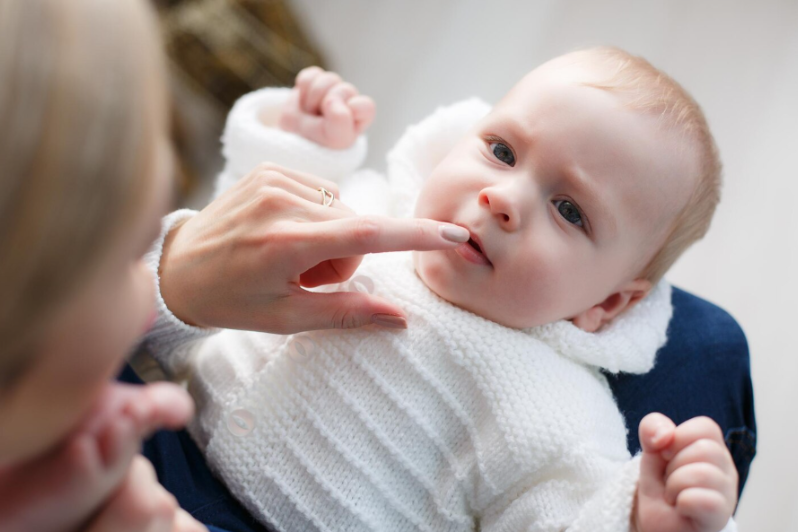
Thumb-Sucking and Pacifiers: When to Worry About Dental Effects
Thumb-sucking, finger-sucking, and pacifier use are common parts of early childhood. Babies have a natural need to suck, and the habit may help them feel calm, secure, or ready to sleep. For most infants and toddlers, occasional sucking is not an immediate dental concern.
Parents may begin to worry when the habit continues as their child grows or when they notice changes in the position of the front teeth. The effect on a child’s smile depends on several factors, including age, how frequently the habit occurs, how long each episode lasts, and how strongly the child sucks. Best Dental Clinic in Flower Mound, TX
At Ace Smile Dentistry in Flower Mound, Texas, Dr. Prathyusha Mendu evaluates children’s teeth, bite, jaw development, and oral habits during routine dental visits. Early monitoring allows parents to receive personalized advice before a habit creates more significant changes.
Why Do Children Suck Their Thumbs or Use Pacifiers?
Sucking is a natural reflex that begins early in life. Babies may suck their thumbs, fingers, or pacifiers to soothe themselves, fall asleep, cope with stress, or feel more secure in unfamiliar situations. The American Dental Association notes that these habits are common and that many children naturally stop between the ages of two and four.
Pacifiers may also offer short-term benefits during infancy. The American Academy of Pediatric Dentistry recognizes that pacifiers may provide comfort, support sucking development in some premature infants, reduce discomfort during minor procedures, and help lower the risk of sudden infant death syndrome when used appropriately.
Because sucking is developmentally normal, parents usually do not need to panic when a baby or young toddler uses a pacifier or sucks a thumb. The main concern is whether the habit remains frequent and forceful as the mouth and permanent teeth continue developing.
When Does the Habit Become a Dental Concern?
There is no single birthday on which every sucking habit suddenly becomes harmful. The risk develops gradually and depends on the child’s pattern of use.
The AAPD encourages parents to discontinue non-nutritive sucking habits by approximately 36 months of age. It also notes that pacifier use beyond 18 months may begin influencing the developing mouth and facial structures, potentially contributing to an open bite, crossbite, or other bite changes.
The American Academy of Pediatrics explains that strong thumb, finger, or pacifier sucking that continues between approximately two and four years of age may affect the shape of the mouth and the way the teeth line up.
This does not mean that every child using a pacifier at 18 months will develop an orthodontic problem. Dr. Mendu will consider:
- The child’s age
- How many hours the habit occurs
- Whether it happens only during sleep or throughout the day
- The strength of the sucking motion
- Whether changes are already visible
- How close the permanent front teeth are to erupting
A child who occasionally rests a thumb in the mouth is generally at lower risk than a child who sucks forcefully for several hours every day.
Dental Changes Associated With Prolonged Sucking
Long-term, forceful sucking can apply repeated pressure to developing teeth, gums, and the roof of the mouth. The exact changes differ from one child to another.
Anterior Open Bite
An anterior open bite occurs when the upper and lower front teeth do not meet while the back teeth are together. A visible opening may remain between the front teeth when the child closes their mouth.
Children with an open bite may have difficulty biting into thin foods using the front teeth. The appearance of the smile and certain speech sounds may also be affected, depending on the severity and other developmental factors.
Prolonged pacifier use beyond 18 months is associated with a higher risk of an anterior open bite, particularly when the habit is frequent and continues for a long period.
Protruding Upper Front Teeth
Strong thumb or finger sucking may push the upper front teeth forward while placing backward pressure on the lower front teeth.
When the upper teeth protrude significantly, the lips may not close comfortably, and the teeth may become more vulnerable to chips or fractures during falls or sports injuries. Misaligned or protruding teeth can be at greater risk of trauma.
Posterior Crossbite
A posterior crossbite occurs when some upper back teeth bite inside the lower teeth rather than slightly outside them. Prolonged sucking may influence the width and shape of the upper dental arch, contributing to this type of bite problem.
A child may also shift the jaw to one side to find a comfortable biting position. A crossbite should be professionally evaluated because treatment needs depend on whether the change involves tooth position, jaw development, or both.
Changes in the Roof of the Mouth
Long-term sucking pressure may affect the shape of the palate, or roof of the mouth. The ADA notes that continued sucking can influence both tooth alignment and the proper development of the mouth.
These changes cannot always be evaluated by looking only at the front teeth. A dental examination allows Dr. Mendu to assess the entire bite and developing dental arches.
Thumb-Sucking vs. Pacifier Use
Thumb-sucking and pacifier use can affect the teeth in similar ways when either habit is frequent, intense, and prolonged. However, pacifier habits are often easier for parents to control because the pacifier can gradually be limited or removed. A thumb is always available, making thumb-sucking more challenging for some children to stop.
Parents should not assume that a product labeled “orthodontic” completely prevents dental changes. The duration and intensity of use remain important. The AAPD has stated that additional research is needed regarding pacifier design and its ability to minimize disturbances to developing oral structures.
The best approach is to choose a safe, age-appropriate pacifier and work toward reducing prolonged use rather than relying on shape alone.
Will the Teeth Correct Themselves After the Habit Stops?
Some early dental changes may improve naturally when the habit ends before the permanent front teeth erupt. The American Academy of Pediatrics notes that a child’s bite has a good chance of correcting itself when sucking stops before the permanent front teeth come in.
However, self-correction is not guaranteed. The likelihood depends on:
- The severity of the bite change
- The child’s age when the habit stops
- How long the habit continued
- Whether jaw development was affected
- The eruption stage of permanent teeth
- Other inherited or developmental bite factors
If the teeth remain noticeably misaligned after the habit ends, an orthodontic evaluation may be recommended.
Signs Parents Should Watch For
Schedule a dental evaluation when you notice:
- Upper front teeth beginning to project outward
- A gap between the upper and lower front teeth when biting
- Back teeth meeting unevenly
- The jaw shifting to one side while closing
- Difficulty biting food with the front teeth
- Changes in speech that concern you
- The roof of the mouth appearing narrow or unusually high
- The habit continuing frequently beyond age three
- Permanent front teeth beginning to erupt while the habit continues
- Skin irritation, calluses, or infection on the thumb or finger
You do not need to wait until the changes become severe. A routine children’s dental visit can determine whether monitoring, habit guidance, or additional care is appropriate.
How to Help Your Child Stop Without Creating Stress
Punishment, teasing, shaming, and harsh reminders can increase anxiety and may make the habit more difficult to stop. Children often use sucking as a comfort strategy, so removing the habit without addressing the need for comfort may lead to frustration.
The ADA and American Academy of Pediatrics recommend positive approaches such as praise, gentle reminders, reward charts, distraction, and involving older children in choosing how to stop.
Begin by Identifying Triggers
Observe when your child uses the habit. Common triggers may include:
- Bedtime
- Tiredness
- Boredom
- Car journeys
- Watching television
- Separation from a parent
- Stressful or unfamiliar situations
Once you recognize the trigger, offer another form of comfort, such as a favorite toy, quiet story, cuddle, music, or calming bedtime routine.
Limit Pacifier Use Gradually
Some families begin by limiting the pacifier to naps and bedtime. After the child adjusts, they may reduce it further.
Keeping the pacifier out of sight during playtime can reduce automatic use. Parents can also create a positive goodbye routine when the child is developmentally ready.
Use Praise and Rewards
Celebrate periods when the child does not use the pacifier or suck a thumb. A sticker chart or simple daily reward may encourage progress.
Focus on success rather than criticizing setbacks. Habits developed over several years may not disappear immediately.
Involve Older Children
Older children may respond better when they feel involved in the decision. Ask them why they want to stop and allow them to choose a reminder system.
Dr. Mendu can also explain the dental effects in simple, non-frightening language. Some children respond more positively when encouragement comes from their dentist.
When Might Professional Help Be Needed?
When the habit remains strong after age three, visible bite changes are developing, or home strategies have not worked, professional guidance may help. The AAPD notes that a dental appliance may sometimes be considered for persistent thumb or finger sucking after age three, but this requires an individual evaluation.
An appliance is not the first choice for every child. Before recommending one, the dentist may consider:
- The child’s age and emotional readiness
- Whether the child wants to stop
- The type and severity of dental changes
- The timing of permanent-tooth eruption
- Previous attempts to end the habit
- The child’s ability to maintain appliance hygiene
Some children may benefit from coordinated guidance from a family dentist, pediatric dentist, pediatrician, speech-language professional, or orthodontist.
Pacifier Safety and Cavity Prevention
Never dip a pacifier in sugar, honey, syrup, juice, or another sweet substance. Sugary coatings expose newly erupted teeth to cavity-causing conditions. The ADA also advises against cleaning a pacifier in a caregiver’s mouth because saliva may transfer cavity-associated bacteria to the child.
Parents should also:
- Use an age-appropriate, one-piece pacifier
- Inspect it regularly for tears, discoloration, or damage
- Replace damaged or worn pacifiers
- Never tie one around the child’s neck, hand, or crib
- Follow the manufacturer’s cleaning and replacement instructions
- Avoid using a bottle nipple as a pacifier
The American Academy of Pediatrics recommends one-piece pacifiers with an appropriately sized shield and warns against attaching them with cords because of injury risks.
How a Dental Visit Can Help
During a children’s dental appointment, Dr. Prathyusha Mendu may evaluate:
- The position of the front teeth
- How the upper and lower teeth meet
- The width and shape of the dental arches
- The roof of the mouth
- Tooth eruption and jaw development
- The frequency and intensity of the habit
- Signs of tooth decay
- The child’s overall oral-hygiene routine
The first dental visit should take place when the first tooth appears or by the child’s first birthday. These early visits provide opportunities to discuss pacifier use, thumb-sucking, tooth development, fluoride, and cavity prevention before concerns become more difficult to manage.
Children’s Dentistry at Ace Smile Dentistry
Ace Smile Dentistry welcomes children, families, new patients, and emergency cases at its Flower Mound practice. The clinic provides children’s dentistry, preventive examinations, professional cleanings, digital imaging, and personalized family dental care.
Dr. Prathyusha Mendu earned her Doctorate of Dental Surgery from the University of Oklahoma. Her approach emphasizes gentle techniques, clear explanations, conservative recommendations, and family-friendly care.
If your child still uses a pacifier or sucks a thumb, there is no reason to feel embarrassed. The goal of the visit is to understand the habit, check whether it is affecting development, and create a realistic plan that supports both dental health and your child’s emotional comfort.
Schedule a Children’s Dental Visit in Flower Mound, Texas
Thumb-sucking and pacifier use are normal during infancy and early childhood. Concern increases when the habit remains frequent and forceful beyond the toddler years, especially as permanent teeth begin developing or erupting.
Early guidance can reduce family stress and may help prevent more significant bite changes. Schedule an appointment with Dr. Prathyusha Mendu at Ace Smile Dentistry, your trusted family dentist in Flower Mound, Texas.
Frequently Asked Questions
At what age should my child stop using a pacifier?
The AAPD encourages discontinuing non-nutritive sucking habits by approximately 36 months. Earlier gradual reduction may be recommended when the habit is frequent or dental changes are developing.
Is thumb-sucking worse than pacifier use?
Both can affect developing teeth and jaws when they continue frequently and forcefully. Pacifiers may be easier to limit because parents can control access to them.
Will an open bite close after my child stops?
Some early bite changes may improve when the habit ends before permanent front teeth erupt, but improvement is not guaranteed. A dentist should monitor the child’s development.
Should I punish my child for thumb-sucking?
No. Punishment, criticism, and teasing can increase stress. Positive reinforcement, gentle reminders, and addressing the child’s need for comfort are generally more helpful.
Does my child need braces because of pacifier use?
Not necessarily. Some dental changes improve after the habit stops. Other children may eventually need orthodontic treatment depending on the severity of the bite and how the permanent teeth develop.