
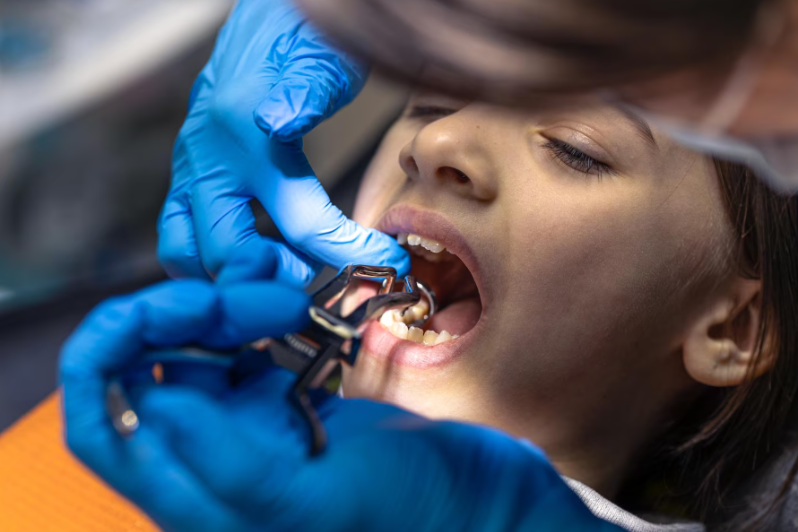
What to Expect During a Tooth Extraction
Being told that you need a tooth removed can feel stressful, especially when you do not know what the procedure or recovery will involve. Fortunately, modern tooth extraction is carefully planned. Local anesthesia, appropriate pain management, and personalized aftercare can make the experience more comfortable and predictable.
A tooth extraction is the removal of a tooth from its socket in the jaw. Dentists generally try to preserve natural teeth whenever possible, but extraction may be recommended when a tooth is too damaged to repair or when keeping it could affect your oral health. Tooth Extraction Clinic in Flower Mound, TX
At Ace Smile Dentistry in Flower Mound, Texas, Dr. Prathyusha Mendu evaluates the tooth, gums, surrounding bone, and nearby structures before recommending removal. The goal is to determine whether the tooth can be saved and, when extraction is necessary, provide a clear treatment and recovery plan.
Why Might You Need a Tooth Extraction?
A dentist may recommend an extraction when severe decay leaves too little healthy structure for a filling or crown, a deep infection has damaged the tooth beyond predictable restoration, advanced gum disease has weakened its support, or trauma has caused a serious fracture.
Other reasons may include:
- A severely cracked or broken tooth
- Crowding before orthodontic treatment
- An impacted or repeatedly infected wisdom tooth
- A retained baby tooth blocking a permanent tooth
Pain does not automatically mean that a tooth must be removed. Depending on the diagnosis, a filling, dental crown, root canal treatment, or periodontal care may preserve it. Ace Smile Dentistry emphasizes accurate diagnosis and preserving natural tooth structure whenever possible.
Dr. Mendu will explain the available options and why extraction may or may not be appropriate for your condition.
Step 1: Consultation and Dental Examination
Before treatment, Dr. Prathyusha Mendu will review your symptoms, dental history, medical conditions, allergies, and medications. Certain conditions and medicines can affect bleeding, healing, infection risk, anesthesia, or pain relief.
Tell the dental team about all prescription medicines, over-the-counter products, vitamins, and supplements. Mention blood-thinning medication, diabetes, heart conditions, immune-system concerns, pregnancy, or previous reactions to anesthesia.
Do not stop taking prescribed medication unless the healthcare professional responsible for it instructs you to do so.
The examination may include digital dental X-rays to assess:
- The number and shape of the tooth roots
- The condition of the surrounding bone
- The position of nearby teeth
- Signs of infection
- Structures that cannot be fully evaluated visually
Ace Smile Dentistry uses digital imaging and personalized treatment planning to help patients understand their condition and available options.
After reviewing the findings, the dental team will explain the recommended procedure, possible risks, expected recovery, and whether the missing tooth may eventually need replacement.
Step 2: Simple or Surgical Extraction
The extraction method depends on the condition and position of the tooth.
Simple Tooth Extraction
A simple extraction may be appropriate when the tooth is visible above the gumline and accessible with standard dental instruments.
Once the area is numb, the dentist gently loosens the tooth and removes it from the socket.
Surgical Tooth Extraction
A surgical extraction may be needed when a tooth:
- Is broken near the gumline
- Has complicated or curved roots
- Is impacted
- Has not fully erupted
- Cannot be easily reached with standard instruments
The dentist may make a small opening in the gum or divide the tooth into sections so it can be removed carefully.
Some difficult cases require referral to an oral and maxillofacial surgeon. Dr. Mendu will explain whether treatment can be completed at Ace Smile Dentistry or whether specialist care would offer a safer or more predictable approach.
Step 3: Preparing for the Appointment
Follow the instructions provided by the dental team. Preparation can vary according to your health, the tooth being removed, and whether you will receive local anesthesia alone or another form of sedation.
You may be advised to:
- Arrange transportation when sedation is planned
- Wear comfortable clothing
- Prepare soft foods for your recovery
- Plan time away from strenuous work or exercise
- Avoid smoking, vaping, and tobacco
- Follow specific eating and drinking instructions
- Ask how to manage your regular medications
Do not assume another patient’s instructions apply to you. A straightforward extraction under local anesthesia may have different requirements from a surgical procedure involving sedation.
Step 4: Numbing the Treatment Area
The procedure usually begins with local anesthesia. Local anesthesia blocks pain signals and temporarily numbs the tooth and surrounding mouth tissues.
You may feel pressure, movement, or pulling during the procedure, but you should tell the dental team immediately if you experience sharp pain. Additional anesthetic may be provided when clinically appropriate.
Patients with dental anxiety should discuss their concerns before the appointment. Understanding each step and agreeing on a signal to pause treatment can make the experience feel more manageable.
Step 5: Loosening and Removing the Tooth
After the treatment area is numb, specialized dental instruments are used to loosen the tooth from the tissues and bone holding it in place.
Once the tooth has sufficient movement, it is carefully removed.
During a surgical extraction, a small incision may be made and the tooth may be separated into smaller sections. This approach can reduce the amount of force required and allow the tooth to be removed in a controlled manner.
The socket is then examined and cleaned when necessary. Stitches may be placed in some cases, although not every extraction requires them.
Step 6: Protecting the Blood Clot
A blood clot normally forms inside the socket after the tooth is removed. The clot protects the underlying tissues and supports the early healing process.
If the blood clot becomes displaced or breaks down too soon, a painful complication known as dry socket can occur.
Gauze may be placed over the extraction site, and you may be asked to bite down with steady pressure. Follow the instructions about how long to keep the gauze in place and what to do if light bleeding continues.
A small amount of bleeding after an extraction can be normal. Before leaving Ace Smile Dentistry, you will receive aftercare instructions based on your specific procedure.
What to Expect After the Extraction
Your mouth may remain numb for several hours. During this period, avoid hot foods and drinks and be careful not to bite your lip, cheek, or tongue.
Temporary symptoms can include:
- Mild bleeding or oozing
- Tenderness around the socket
- Jaw soreness
- Swelling
- Minor bruising after some surgical procedures
- Temporary difficulty chewing
A simple extraction may have a shorter recovery than a complex surgical removal. Symptoms should generally become easier to manage as healing progresses.
Current American Dental Association guidance recommends non-opioid medications as the first-line approach to acute pain after tooth extraction in most adults and adolescents when those medicines are medically appropriate.
Medication selection must account for your allergies, medical conditions, contraindications, and other medicines. Follow Dr. Mendu’s instructions rather than creating your own medication combination.
How to Care for the Extraction Site
Protecting the blood clot is one of the most important parts of early recovery.
Your dentist may advise you to:
- Avoid forceful rinsing or spitting
- Avoid drinking through a straw
- Keep your fingers and tongue away from the socket
- Avoid smoking, vaping, and tobacco
- Rest and avoid strenuous activity
- Eat soft foods
- Chew on the opposite side
- Use gauze exactly as directed
- Keep your head slightly elevated while resting
Dental aftercare guidance commonly advises patients not to rinse, spit, or disturb the extraction site during the first 24 hours because doing so may dislodge the blood clot.
Gentle salt-water rinsing may be recommended after the initial healing period, but follow the timing provided by Ace Smile Dentistry.
What Can You Eat After a Tooth Extraction?
Choose soft foods that require minimal chewing, such as:
- Yogurt
- Applesauce
- Mashed potatoes
- Scrambled eggs
- Oatmeal
- Soft pasta
- Lukewarm soup
- Smoothies eaten with a spoon
Avoid foods that are very hot, hard, crunchy, sticky, spicy, or likely to become trapped in the socket.
Do not drink through a straw until Dr. Mendu says it is safe. The suction created by a straw may disturb the blood clot.
As your comfort improves, gradually return to your normal diet while continuing to chew away from the extraction site.
Brushing and Keeping Your Mouth Clean
Continue cleaning the rest of your mouth, but be gentle near the extraction area.
Do not scrub the socket or directly disturb the blood clot. You may usually brush your other teeth while avoiding the surgical area temporarily.
After the initial healing stage, Dr. Mendu may recommend gentle warm salt-water rinses to help keep the area clean.
Good oral hygiene supports healing, but aggressive brushing or rinsing immediately after treatment can interfere with the clot.
What Is Dry Socket?
Dry socket occurs when the protective blood clot is lost or breaks down before the socket has healed sufficiently. This can expose the underlying bone and nerves.
Dry socket may cause significant pain that becomes stronger instead of gradually improving. The discomfort may spread toward the ear, temple, jaw, or neck.
Other signs may include:
- An unpleasant taste
- Persistent bad breath
- An extraction site that appears empty
- Pain that is not adequately controlled
- Pain that becomes more intense several days after treatment
The American Dental Association recommends contacting your dentist if dry socket develops. Treatment may include cleaning the extraction site and placing a medicated dressing.
Smoking, vaping, drinking through straws, forceful rinsing, and disturbing the site may increase healing concerns.
When Should You Call the Dentist?
Contact Ace Smile Dentistry if you experience:
- Bleeding that does not improve with firm pressure
- Severe or increasing pain
- Swelling that continues to worsen
- Fever or chills
- Pus or a persistent foul taste
- A suspected medication reaction
- Numbness lasting longer than expected
- Symptoms of dry socket
- Increasing difficulty opening your mouth
Rapidly increasing facial swelling, difficulty breathing, or difficulty swallowing can require urgent medical attention.
Will the Missing Tooth Need to Be Replaced?
Wisdom teeth generally do not need to be replaced. However, removing another permanent tooth may leave a space that affects chewing, appearance, bite stability, or the position of nearby teeth.
Possible replacement options include:
- A dental implant with a crown
- A fixed dental bridge
- A removable partial denture
The appropriate option depends on the tooth’s location, gum and bone health, neighboring teeth, medical history, treatment timeline, and budget.
Dr. Mendu can discuss tooth-replacement planning before or after the extraction so you understand the available next steps.
Tooth Extraction at Ace Smile Dentistry in Flower Mound
Ace Smile Dentistry provides personalized dental care for individuals and families in Flower Mound, Texas.
Dr. Prathyusha Mendu is a general and cosmetic dentist who earned her Doctorate of Dental Surgery from the University of Oklahoma. The practice offers tooth extractions alongside preventive, restorative, cosmetic, clear-aligner, root canal, and emergency dental services.
During a tooth extraction consultation, the team will focus on:
- Determining whether the tooth can be saved
- Explaining why extraction may be recommended
- Reviewing X-rays and treatment alternatives
- Supporting your comfort during treatment
- Providing personalized recovery instructions
- Discussing replacement options when appropriate
Ace Smile Dentistry is located at 200 Gerault Road, Suite 400, Flower Mound, TX 75028 and can be reached at (469) 912-1420.
Schedule a Tooth Extraction Consultation in Flower Mound, Texas
A painful, infected, or severely damaged tooth should not be ignored. An early dental examination may provide more treatment options and help reduce the risk of worsening pain, swelling, or an emergency.
Schedule an evaluation with Dr. Prathyusha Mendu at Ace Smile Dentistry, your trusted dentist in Flower Mound, Texas.
Dr. Mendu will examine the tooth, explain whether it can be saved, and guide you through each stage of treatment when extraction is necessary.
Frequently Asked Questions
Is a tooth extraction painful?
Local anesthesia is used to numb the area. You may feel pressure or movement, but tell the dental team if you experience sharp pain.
How long does recovery take?
Recovery depends on the tooth, extraction type, overall health, and aftercare. Initial soreness often improves over several days, while the socket continues healing for longer.
Can I drive home afterward?
You may be able to drive after local anesthesia alone, but sedation usually requires a responsible adult to take you home. Follow the instructions given by Ace Smile Dentistry.
When can I return to work?
Many patients can return relatively quickly after a simple extraction. Surgical removal or physically demanding work may require additional rest.
Do I need antibiotics?
Antibiotics are not automatically required after every extraction. They are prescribed when the dentist determines that they are clinically appropriate.