
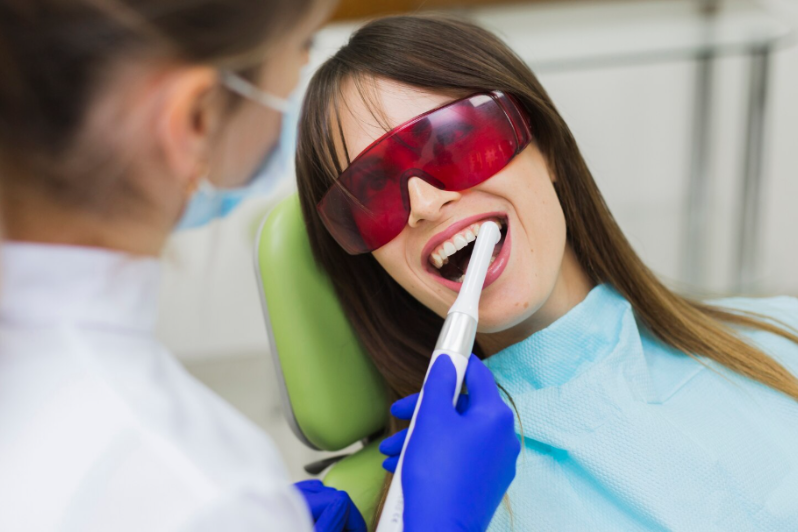
Common Teeth Whitening Myths, Debunked
A bright smile can improve your confidence, but misinformation about teeth whitening often makes it difficult to choose the right treatment. Social media videos, home remedies, whitening toothpastes, strips, online kits, and professional treatments may all promise dramatic results—sometimes without explaining their limitations or risks.
The truth is that teeth whitening can be safe and effective when the right method is selected for the right patient. However, not all stains respond in the same way, and not every whitening product produces the same result.
At Ace Smile Dentistry in Flower Mound, Texas, Dr. Prathyusha Mendu evaluates your oral health, tooth sensitivity, existing dental restorations, and cosmetic goals before recommending whitening. The clinic offers both professional in-office and dentist-supervised take-home whitening options. Best Dental Clinic in Flower Mound, TX
Let us separate fact from fiction by addressing some of the most common teeth-whitening myths.
Myth 1: Teeth Whitening Permanently Damages Enamel
One of the most common concerns is that every type of teeth whitening strips away or permanently weakens enamel.
Professional whitening does not work by scraping off enamel. Most bleaching treatments use hydrogen peroxide or carbamide peroxide. These ingredients break down coloured compounds within the tooth, making the teeth appear lighter.
Whitening is generally considered safe when performed by a licensed dental professional or when an appropriate product is used exactly as directed. However, this does not mean that whitening products should be used without limits.
Excessive exposure, overly concentrated products, or aggressive whitening may increase the risk of sensitivity, gum irritation, enamel-surface changes, and other unwanted effects.
The safest approach is to have your teeth examined before starting treatment. Dr. Prathyusha Mendu can identify cavities, gum recession, enamel wear, cracks, or exposed roots that might make whitening uncomfortable or unsuitable.
Myth 2: Whitening Toothpaste Can Dramatically Change Tooth Colour
Whitening toothpaste can help make teeth look cleaner, but it does not usually produce the same result as peroxide-based bleaching.
Most whitening toothpastes primarily use mild abrasives to remove surface stains caused by coffee, tea, tobacco, or pigmented foods. Some may contain small amounts of peroxide, but they generally have a limited effect on the deeper natural colour of the tooth.
Whitening toothpaste may be helpful for maintaining results or reducing mild external staining. It is unlikely to transform deeply yellow, brown, grey, or internally discoloured teeth.
Patients should also avoid highly abrasive products. Excessive abrasion may gradually wear the enamel surface, potentially making the underlying yellow dentin more visible.
Ask Dr. Mendu to recommend a toothpaste that supports stain removal without being unnecessarily harsh on your teeth or restorations. Teeth Whitening in Flower Mound, TX
Myth 3: Professional Whitening and Store-Bought Products Are Basically the Same
Although professional and over-the-counter products may use similar active ingredients, their concentrations, application methods, fit, supervision, and treatment times can differ significantly.
Store-bought options include whitening strips, generic trays, paint-on gels, rinses, and toothpastes. These products commonly contain lower concentrations of peroxide than in-office or dentist-prescribed whitening systems.
At Ace Smile Dentistry, professional options include in-office whitening and take-home treatment. In-office whitening allows the dental team to protect the gums and apply the whitening material under controlled conditions. Dentist-supervised home whitening may use trays designed to fit the patient’s teeth more closely, helping reduce unnecessary gel contact with the gums.
Over-the-counter products may improve mild stains, but they usually take longer and provide less customization. Professional treatment also begins with an examination to determine whether whitening is appropriate.
Myth 4: The Strongest Product Always Gives the Best Result
A stronger whitening gel may work faster, but faster does not automatically mean safer or better.
Higher concentrations can increase the likelihood of tooth sensitivity and soft-tissue irritation. The most appropriate strength depends on your starting shade, sensitivity history, enamel condition, treatment method, and desired timeline.
Using more gel than instructed will not necessarily make the final result better. It may simply allow the material to overflow onto the gums. Similarly, leaving trays or strips on longer than recommended may increase discomfort without providing a meaningful additional benefit.
Dr. Prathyusha Mendu can recommend an appropriate concentration and schedule rather than automatically selecting the strongest available product.
Myth 5: Leaving Whitening Products on Longer Makes Teeth Whiter
Whitening products are designed for specific exposure times. Doubling the treatment time does not safely double the result.
Peroxide continues interacting with the tooth during treatment, but there is a practical limit to how much whitening can occur during each application. Keeping a product on longer than directed can increase sensitivity, gum irritation, and the risk of overuse.
Every product has different instructions. A gel intended for short in-office application should not be treated like a lower-concentration home product, and a take-home product should not be worn overnight unless your dentist specifically recommends that schedule.
Follow the exact instructions provided by Ace Smile Dentistry or printed on an appropriately selected over-the-counter product.
Myth 6: Sensitivity Means Whitening Has Permanently Damaged Your Teeth
Temporary sensitivity is one of the most frequently reported effects of teeth whitening. It does not automatically indicate permanent tooth damage.
Whitening-related sensitivity may feel like a brief, sharp sensation when drinking cold water, breathing cool air, or eating hot or cold foods. It can occur because peroxide temporarily affects the tissues inside the tooth. Gum irritation may also occur if whitening material contacts the soft tissues.
In many cases, sensitivity is mild and resolves after treatment is paused or completed. However, severe, persistent, or worsening pain should not be ignored.
Sensitivity may also be caused by a cavity, cracked tooth, exposed root, worn enamel, or damaged restoration rather than the whitening process itself. A dental examination helps identify these concerns before treatment begins.
Dr. Mendu may recommend adjusting the gel concentration, shortening the application time, spacing out treatments, or using products designed for sensitive teeth.
Myth 7: Crowns, Veneers, and Fillings Will Whiten Too
Whitening products change the colour of natural teeth. They do not predictably lighten porcelain veneers, crowns, bridges, dental implants, tooth-coloured fillings, or composite bonding.
This is particularly important when restorations are located near the front of the mouth. Whitening the surrounding natural teeth may create a visible colour difference between the teeth and existing dental work.
For patients planning veneers, crowns, or bonding, whitening may be completed first. The new restoration can then be created to match the brighter tooth shade after the colour has stabilized.
During your consultation at Ace Smile Dentistry, Dr. Mendu will examine visible restorations and explain whether whitening alone is likely to provide a balanced result.
Myth 8: Everyone Can Achieve the Same Bright-White Shade
Teeth whitening does not create the same result for every person.
Your final shade depends on your natural tooth colour, enamel thickness, age, stain type, previous dental work, and how your teeth respond to the whitening agent. Teeth may also whiten at different rates.
Yellow-toned teeth often respond more predictably than certain grey, banded, or deeply internal stains. Discolouration caused by trauma, decay, medication exposure, or changes inside a non-vital tooth may require a different treatment approach. The ADA notes that stain type can affect both the result and the number of treatments needed.
A naturally attractive result does not always mean selecting the lightest possible shade. Dr. Prathyusha Mendu can help you choose a realistic goal that complements your skin tone, facial features, and existing restorations.
Myth 9: A Dental Cleaning and Teeth Whitening Are the Same
A professional dental cleaning and cosmetic whitening serve different purposes.
Dental cleaning removes plaque, hardened tartar, and some external stains from the tooth surfaces. After cleaning, the teeth may look brighter because surface buildup has been removed.
Whitening uses bleaching agents to lighten the natural colour of the tooth beyond what cleaning alone can accomplish. Surface stains may respond to professional polishing or whitening toothpaste, but internal colour changes generally require a chemical bleaching process.
Some patients should have their teeth cleaned before whitening, particularly when plaque, tartar, or significant surface staining is present. This creates a cleaner surface and allows the dentist to evaluate the gums before cosmetic treatment.
Myth 10: Charcoal Is a Safe and Natural Whitening Solution
Activated charcoal is widely promoted online as a natural way to whiten teeth. However, “natural” does not automatically mean safe or effective.
The American Dental Association’s consumer guidance states that there is no reliable evidence showing charcoal dental products are safe or effective for teeth whitening. Abrasive scrubbing may wear enamel and make the darker yellow dentin beneath it more noticeable.
Charcoal particles may also become trapped around fillings, gumlines, or small cracks, making the teeth look darker rather than brighter.
Before using a charcoal paste or powder, speak with a dentist about safer methods supported by dental evidence.
Myth 11: Lemon Juice, Vinegar, and Fruit Can Naturally Bleach Teeth
Lemons, strawberries, apple cider vinegar, and other acidic ingredients frequently appear in do-it-yourself whitening recipes.
Acid does not safely bleach teeth. Prolonged contact with acidic fruit or vinegar can soften and wear away enamel. Once enamel is lost, it does not simply grow back. Enamel erosion may contribute to sensitivity, cavities, roughness, and a more yellow appearance as dentin becomes increasingly visible.
Fruit is a healthy part of a balanced diet when eaten normally, but it should not be rubbed onto teeth or mixed into an abrasive whitening paste.
Myth 12: Oil Pulling or Turmeric Can Whiten Teeth
Oil pulling involves swishing coconut oil or another edible oil around the mouth. Turmeric is also promoted in some online whitening recipes.
There is no reliable scientific evidence showing that oil pulling or turmeric can significantly whiten teeth.
These methods should not replace brushing with fluoride toothpaste, daily interdental cleaning, professional dental care, or evidence-based whitening treatment.
Myth 13: Whitening Results Last Forever
Teeth whitening is not permanent. Your teeth remain exposed to foods, drinks, ageing, and lifestyle habits after treatment.
Coffee, tea, red wine, dark sauces, tobacco, and other strongly pigmented substances may gradually contribute to new surface staining. Age-related changes can also affect tooth colour over time.
To help maintain your results:
- Brush twice daily with fluoride toothpaste.
- Clean between your teeth every day.
- Attend regular dental checkups and professional cleanings.
- Rinse with water after consuming staining drinks.
- Avoid smoking and tobacco products.
- Follow Dr. Mendu’s instructions for occasional touch-ups.
- Do not use whitening products continuously without professional guidance.
The time between touch-ups varies. Some patients maintain their colour for a considerable period, while others notice staining sooner because of diet or tobacco use.
Myth 14: Whitening Can Fix Every Cosmetic Dental Concern
Whitening only changes tooth colour. It does not straighten crooked teeth, close large gaps, rebuild worn edges, repair fractures, replace missing teeth, or reshape irregular teeth.
Patients with multiple cosmetic concerns may benefit from a personalized smile-makeover plan. Depending on the condition of the teeth, options may include dental bonding, porcelain veneers, clear aligners, crowns, or replacement of missing teeth.
Ace Smile Dentistry provides professional whitening as well as veneers, clear aligners, restorative treatments, and other cosmetic dental services.
Dr. Mendu can help determine whether whitening alone is sufficient or whether combining treatments would create a more balanced result.
Why Have a Dental Examination Before Whitening?
Whitening products should not be used to hide untreated dental disease. A dark spot may be a stain, but it could also be tooth decay, a damaged filling, trauma, or changes inside the tooth.
A pre-whitening evaluation may identify:
- Cavities
- Cracked teeth
- Gum disease
- Gum recession
- Exposed roots
- Enamel erosion
- Tooth sensitivity
- Loose or leaking restorations
- Crowns, veneers, or bonding that will not whiten
- Internal discolouration that requires different treatment
Dental experts recommend speaking with a dentist before whitening so existing dental issues can be addressed and an appropriate treatment plan can be created.
Professional Teeth Whitening in Flower Mound, Texas
At Ace Smile Dentistry, teeth whitening is personalized according to the patient’s oral health, sensitivity, tooth shade, restorations, and cosmetic goals.
The practice offers both professional in-office and take-home whitening treatments. Dr. Prathyusha Mendu is a general and cosmetic dentist who earned her Doctorate of Dental Surgery from the University of Oklahoma and continues advanced training in restorative and cosmetic dentistry.
Choosing dentist-supervised whitening provides several benefits:
- An examination before treatment
- Identification of the cause of discolouration
- Review of fillings, crowns, and veneers
- Professional gum protection during in-office whitening
- Customized treatment instructions
- Sensitivity-management recommendations
- Realistic shade planning
- Follow-up support when needed
Schedule a Teeth Whitening Consultation With Dr. Prathyusha Mendu
The biggest teeth-whitening myth is that one method works equally well for everyone. The right option depends on your teeth, gums, stain type, sensitivity, restorations, timeline, and expectations.
Schedule a consultation with Dr. Prathyusha Mendu at Ace Smile Dentistry, your trusted dentist in Flower Mound, Texas. Dr. Mendu can examine your smile, explain which whitening myths to avoid, and recommend a safe, realistic treatment plan.
Ace Smile Dentistry
200 Gerault Road, Suite 400
Flower Mound, TX 75028
Phone: (469) 912-1420
Frequently Asked Questions
Is professional teeth whitening safe?
Professional whitening is generally considered safe for appropriate patients when it is performed or supervised by a licensed dental professional. Temporary sensitivity or gum irritation may occur.
Does whitening remove every stain?
No. Results depend on whether the stain is external or internal and what caused it. Certain medication-related, trauma-related, or deeply internal stains may respond less predictably.
Can I whiten my teeth when I have crowns?
You can whiten the surrounding natural teeth, but crowns and other tooth-coloured restorations will not change colour. This may create a mismatch.
How often can I whiten my teeth?
The appropriate frequency depends on the product, concentration, sensitivity, oral health, and previous results. Follow the schedule recommended by Dr. Mendu rather than whitening continuously.
Are whitening strips effective?
Whitening strips containing peroxide may improve tooth colour, especially in cases of mild staining. They generally offer less customization than dentist-supervised treatment.
Should I get a cleaning before whitening?
A professional cleaning may be recommended when plaque, tartar, or surface staining is present. A dental examination should be completed before treatment to identify oral-health concerns.