
Night Guards for Kids and Adults: Do You Need One?
Waking up with jaw tightness, headaches, sensitive teeth, or facial soreness may indicate that you are clenching or grinding your teeth while sleeping. Children can grind their teeth too, although many parents only discover the habit after hearing the sound at night.
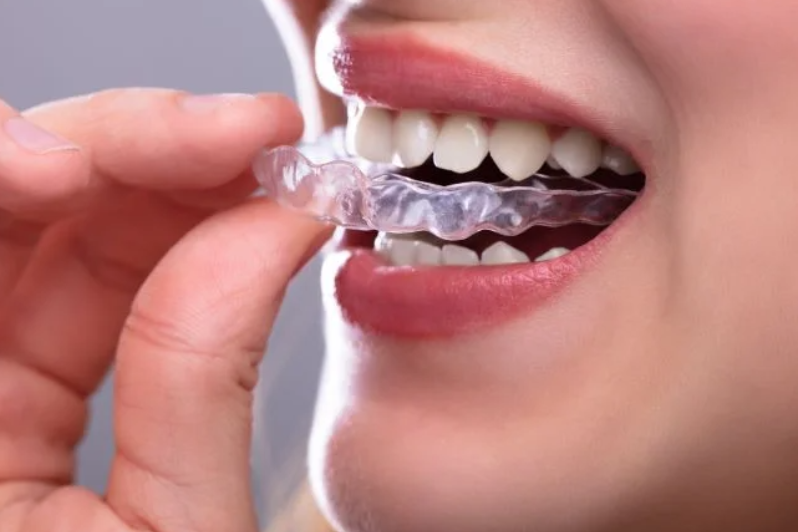
A night guard is a removable dental appliance worn over the teeth during sleep. It creates a protective barrier between the upper and lower teeth, helping reduce direct wear, cracks, and damage caused by grinding or clenching. However, a night guard is not automatically necessary for everyone who occasionally grinds their teeth.
At Ace Smile Dentistry in Flower Mound, Texas, Dr. Prathyusha Mendu evaluates the teeth, dental restorations, jaw muscles, bite, symptoms, medical history, and sleep-related concerns before recommending a night guard. The goal is to protect your smile while also considering why the grinding may be occurring. Night Guards in Flower Mound, TX
What Is Bruxism?
Bruxism is the habit of grinding, clenching, or tightly pressing the teeth together. It may occur while you are awake or asleep.
Awake bruxism often involves clenching during periods of concentration, stress, frustration, or tension. Sleep bruxism happens without conscious control and may only be noticed by a partner, parent, dentist, or dental hygienist.
Many cases are mild and may not require treatment. More significant bruxism can lead to damaged teeth, worn enamel, jaw tiredness, headaches, and facial discomfort.
Signs That an Adult May Need a Night Guard
Because sleep grinding happens unconsciously, many adults do not realize they are doing it. A dental examination may reveal damage before noticeable symptoms develop.
Possible signs include:
- Flattened or shortened tooth edges
- Chipped, cracked, or loose teeth
- Worn enamel
- Increasing tooth sensitivity
- Repeatedly damaged fillings or crowns
- Jaw tightness or tiredness in the morning
- Facial soreness
- Morning headaches
- A partner hearing grinding sounds at night
The National Institute of Dental and Craniofacial Research identifies worn or fractured teeth, tooth sensitivity, jaw-muscle soreness, tightness, headaches, and facial pain among the common signs of bruxism.
You may also benefit from an evaluation when your front teeth appear shorter than they previously did or when you repeatedly chip dental bonding, veneers, fillings, or crowns without an obvious accident.
What Does a Night Guard Actually Do?
A night guard separates the upper and lower teeth so they cannot grind directly against each other. This barrier may help prevent additional enamel wear and reduce damage to restorations.
Night guards are intended primarily to protect teeth. They may also reduce muscle activity in some patients, but they do not necessarily stop the nervous system from initiating clenching or grinding. The NIDCR lists mouth guards as one possible treatment for preventing tooth damage and potentially reducing muscle activity associated with bruxism.
A night guard should not be promoted as a guaranteed cure for headaches, jaw-joint pain, sleep problems, or every case of bruxism. The cause of the symptoms still needs to be evaluated.
Can a Night Guard Treat TMJ Pain?
People often use the terms bruxism, TMJ, and TMD as though they mean the same thing, but they describe different concerns.
The temporomandibular joints, or TMJs, are the jaw joints located in front of the ears. Temporomandibular disorders, or TMDs, include multiple conditions affecting the joints and chewing muscles. Bruxism may occur alongside jaw discomfort, but not every person with jaw pain is grinding, and not every person who grinds has a TMD.
The evidence that intraoral appliances consistently improve TMD pain is limited. The NIDCR advises that an appliance should not be designed to permanently change the bite and that patients should stop using it and consult their provider if it causes pain.
Dr. Mendu may therefore evaluate other possible causes of jaw pain, including injury, muscle strain, infection, arthritis, sinus problems, or a specific jaw-joint condition before recommending treatment.
Why Do Adults Grind Their Teeth?
Bruxism does not have one universal cause. Factors associated with it may include:
- Stress, distress, or nervousness
- Family or genetic factors
- Caffeine or alcohol use
- Tobacco use
- Certain medications
- Sleep-related disorders
- Daytime habits involving repeated jaw tension
Certain medicines used for depression, seizures, or attention-deficit/hyperactivity disorder may increase the likelihood of bruxism in some people. Patients should not stop a prescribed medicine without speaking to the healthcare professional who prescribed it.
If grinding occurs with loud snoring, interrupted breathing, gasping, severe daytime sleepiness, or unrefreshing sleep, additional medical or sleep evaluation may be appropriate. A night guard can protect the teeth, but it does not diagnose or treat an underlying sleep disorder.
Do Children Need Night Guards?
Children commonly grind their teeth, especially during sleep. Many children outgrow the habit as their teeth and jaws develop, and grinding does not always cause serious damage.
For this reason, every child who makes a grinding sound does not automatically need a night guard.
Dr. Prathyusha Mendu may recommend monitoring when:
- The grinding is occasional
- The child has no pain or sensitivity
- Tooth wear is minimal
- The bite and tooth development appear healthy
- Primary teeth are naturally approaching replacement
A night guard may be considered when grinding is causing significant tooth wear, repeated fractures, sensitivity, muscle discomfort, or damage to permanent teeth. The decision also depends on the child’s age, tooth eruption, ability to tolerate an appliance, and the rate at which the mouth is changing.
Signs Your Child Should Be Evaluated
Arrange a dental appointment when your child has:
- Noticeably flattened or chipped teeth
- Tooth sensitivity
- Jaw pain or tiredness
- Morning headaches
- Facial discomfort
- Difficulty chewing
- Frequent grinding that sounds intense
- Damage to permanent teeth
- Sleep problems, snoring, or breathing concerns
- A dental restoration repeatedly breaking
Children’s teeth and jaws change rapidly. An appliance that fits today may become too tight or unsuitable as permanent teeth erupt. This is why a child should not use an adult’s guard, an old appliance, or an unsupervised long-term product without professional assessment.
Custom Night Guard vs. Store-Bought Guard
Night guards are available online, in pharmacies, and through dental practices. The main options include stock appliances, boil-and-bite products, and professionally made custom guards.
Custom Night Guards
A custom night guard is created from a dental impression or digital scan of your teeth. It is designed for your bite and can usually provide closer adaptation and greater comfort than a generic appliance.
The American Dental Association notes that dentist-made night guards generally provide the closest and most comfortable fit, while store-bought guards may not provide the same degree of protection.
Boil-and-Bite Guards
Boil-and-bite products are softened in hot water and shaped around the teeth. They may fit better than a stock appliance, but an uneven fit, excessive thickness, or distortion can make sleeping uncomfortable.
Stock Guards
Stock guards are preformed and available in standard sizes. They may feel bulky, move during sleep, or interfere with comfortable breathing and closing of the mouth.
An inexpensive guard is not useful when it fits so poorly that it is never worn. More importantly, an unsuitable appliance may place uneven pressure on the teeth or interfere with the bite.
Night Guards and Sports Mouthguards Are Different
A night guard should not be used as a substitute for an athletic mouthguard.
Night guards are designed to reduce tooth-to-tooth damage during sleep. Sports mouthguards contain additional cushioning intended to absorb impact and help reduce injuries to the teeth, lips, cheeks, tongue, face, and jaw.
Children and adults participating in activities with a risk of facial injury should use a properly fitted athletic mouthguard. This includes obvious contact sports such as football, hockey, boxing, martial arts, lacrosse, and rugby, as well as activities such as basketball, soccer, baseball, gymnastics, skating, cycling, and skateboarding.
The American Academy of Pediatric Dentistry encourages properly fitted mouthguards for organised activities that carry a risk of oral and facial injury.
What Happens During a Night-Guard Consultation?
At Ace Smile Dentistry, Dr. Mendu may begin by asking about your symptoms, sleep habits, stress, medications, dental history, and whether someone has heard you grinding.
The evaluation may include:
- Examining tooth wear and enamel loss
- Checking for cracks or chipped teeth
- Assessing fillings, crowns, veneers, and bridges
- Feeling the jaw muscles for tenderness
- Evaluating jaw movement
- Checking how the upper and lower teeth meet
- Reviewing sensitivity or headache patterns
- Taking digital X-rays when clinically appropriate
A sleep study or medical referral may be considered when symptoms suggest a sleep-related condition. Bruxism assessment may involve a medical history, dental examination, and, in selected cases, sleep testing.
When a custom guard is appropriate, impressions or a digital scan are taken. The appliance is then created to fit your teeth. At delivery, Dr. Mendu checks its fit, comfort, retention, and contact with the opposing teeth.
How to Wear and Care for a Night Guard
Follow the instructions provided for your specific appliance. Most night guards are worn during sleep and removed in the morning.
To care for your guard:
- Rinse it after removing it.
- Clean it gently with the recommended product.
- Allow it to dry before closing the case.
- Store it in a ventilated protective container.
- Keep it away from pets.
- Avoid hot water, direct sunlight, and heated cars.
- Bring it to dental checkups for inspection.
Heat may distort a dental appliance and change its fit. Replace or professionally evaluate the guard when it becomes cracked, worn, loose, uncomfortable, or difficult to clean. Children and teenagers may need more frequent replacement because their teeth and jaws are still changing.
Do not adjust, cut, melt, or reshape a night guard at home.
When Should You Stop Wearing It?
Contact your dentist when the guard:
- Causes new pain
- Changes how your bite feels after removal
- Creates sores or gum irritation
- Becomes loose during sleep
- No longer seats fully
- Develops cracks or sharp edges
- Causes a child’s teeth to feel restricted
- Produces worsening jaw symptoms
A properly designed appliance should not intentionally create permanent changes in tooth position or bite. Stop using it and request an evaluation if it causes persistent pain.
A Night Guard Is Only Part of the Plan
When stress-related daytime clenching is involved, becoming aware of the habit can help. During rest, the lips may touch gently, but the teeth should usually remain slightly apart.
Helpful strategies may include:
- Setting reminders to relax the jaw
- Reducing gum chewing
- Avoiding nail biting
- Practising relaxation or breathing exercises
- Reviewing caffeine, alcohol, and tobacco habits
- Discussing stress or sleep concerns with a healthcare professional
Behavioural changes, stress management, and regular dental examinations may be used alongside a mouth guard to manage bruxism and reduce further damage.
Existing chips, worn teeth, damaged fillings, or broken crowns may also require restorative treatment.
Night-Guard Evaluation at Ace Smile Dentistry
Dr. Prathyusha Mendu is a general and cosmetic dentist serving Flower Mound and nearby communities. She earned her Doctorate of Dental Surgery from the University of Oklahoma and continues advanced training in restorative and cosmetic techniques. Her approach focuses on conservative, patient-centred care and clear explanations.
At Ace Smile Dentistry, Dr. Mendu can evaluate grinding-related wear, jaw symptoms, damaged restorations, sports-protection needs, and whether a custom dental appliance may be appropriate.
The practice welcomes adults, children, families, and new patients and provides preventive, restorative, cosmetic, and emergency dentistry in one familiar Flower Mound office.
Schedule a Consultation in Flower Mound, Texas
You may need a night guard when clenching or grinding is causing visible tooth wear, fractures, sensitivity, damaged dental work, morning headaches, or jaw-muscle discomfort. Children require individual evaluation because many outgrow grinding and their teeth are still developing.
Schedule an appointment with Dr. Prathyusha Mendu at Ace Smile Dentistry, your trusted dentist in Flower Mound, Texas. Dr. Mendu can examine your teeth and jaw, identify signs of bruxism, and explain whether monitoring, a custom night guard, restorative treatment, or additional medical evaluation is appropriate.
Frequently Asked Questions
Does everyone who grinds their teeth need a night guard?
No. Mild cases may not require treatment. A dentist should consider symptoms, tooth damage, restorations, age, jaw health, and possible causes before recommending an appliance.
Will a night guard stop me from grinding?
It may protect the teeth and reduce muscle activity for some patients, but it does not necessarily eliminate the underlying grinding response.
Can children wear night guards?
Some children may benefit, particularly when permanent teeth are being damaged. However, many children outgrow grinding, and the appliance must be monitored as the mouth develops.
Can I use my sports mouthguard at night?
No. Sports guards contain additional cushioning for impact protection and are not designed for comfortable overnight use.
How long does a night guard last?
Its lifespan depends on grinding intensity, material, fit, cleaning, and changes in the teeth. It should be replaced when worn, cracked, loose, or no longer fitting correctly.
Can a night guard make jaw pain worse?
It can in some cases. Stop using the appliance and contact your dentist when it causes or increases pain.